

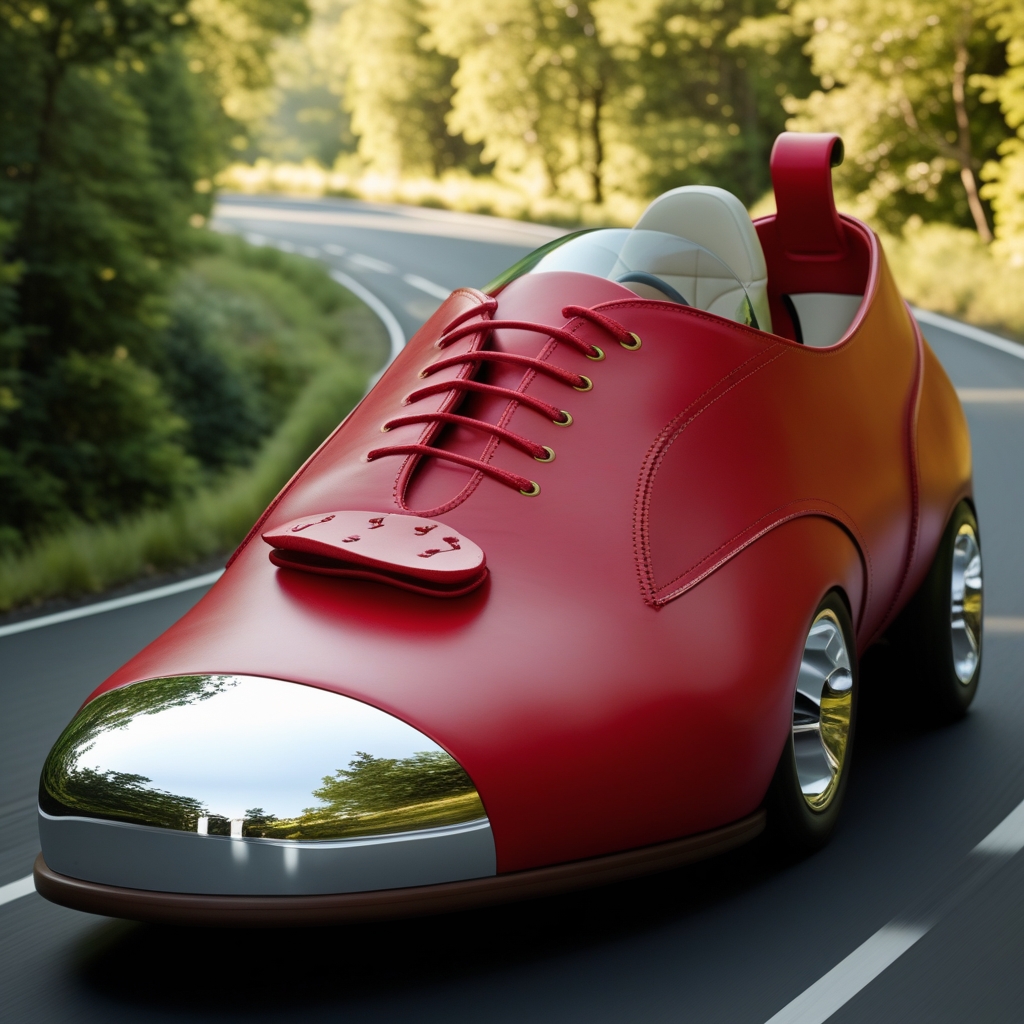
When you think of creative automotive design, you might imagine futuristic electric vehicles or luxurious supercars. But few creations are as imaginative—or as attention-grabbing—as the shoe-shaped car. This quirky vehicle combines the everyday familiarity of footwear with the engineering of an automobile, resulting in one of the most charming and conversation-starting rides ever made.
Whether it’s a marketing gimmick, an art installation, or a fully functional vehicle, the shoe-shaped car proves that creativity knows no limits. In this article, we’ll explore its history, design features, and cultural impact, as well as why it continues to fascinate car enthusiasts and dreamers alike.
The Origins of the Shoe-Shaped Car
The shoe-shaped car may sound like something out of a cartoon, but its origins go back decades. Artists, inventors, and creative engineers have been experimenting with turning shoes into vehicles since the mid-20th century.

H3 – From Concept Art to Reality
The earliest shoe cars appeared as custom builds for parades and promotional events. Inspired by fairy tales like The Old Woman Who Lived in a Shoe, creators wanted to design something both whimsical and mobile. Using old car chassis and fiberglass shells, they built giant replicas of boots, sneakers, and high heels that could actually drive.
H3 – Automotive Artists and Eccentric Engineers
Some of the most famous examples were created by automotive artists who specialized in novelty vehicles. In the 1970s and 1980s, eccentric inventors began crafting shoe-shaped cars for advertising, especially for footwear companies. These one-of-a-kind cars became popular in trade shows, charity parades, and even television appearances.
H3 – A Symbol of Playful Innovation
Beyond marketing, the shoe-shaped car came to represent freedom of creativity in vehicle design. It reminds us that cars can be more than just a mode of transportation—they can be expressions of art, humor, and identity.

Design Features That Make the Shoe-Shaped Car Stand Out
At first glance, a shoe-shaped car might look purely decorative, but the engineering behind it is often surprisingly sophisticated. Designers blend artistic sculpting with mechanical precision to create something that’s both functional and eye-catching.
H3 – Structure and Materials
Most shoe cars start with a custom or repurposed chassis—often from a small vehicle like a golf cart, scooter, or compact car. Over this, builders construct a lightweight fiberglass or metal body sculpted to resemble a shoe, boot, or heel. The materials need to be durable enough for driving while maintaining the playful, smooth curves of a shoe.
H3 – Functional Interior and Controls
Despite their strange exterior, many shoe-shaped cars come equipped with standard driving components—seats, steering wheels, gear shifts, and pedals. Some even have air conditioning, music systems, and lighting, allowing drivers to experience comfort inside an unconventional shell.

H3 – Eye-Catching Details and Paintwork
Designers pay special attention to surface details—laces, soles, stitching, or metallic buckles—to give the illusion of a real shoe. The paintwork often mimics leather, rubber, or suede textures. In some cases, oversized embellishments like rhinestones or LED lights make these cars look like rolling pieces of pop art.
Famous Shoe-Shaped Cars Around the World
The shoe-shaped car isn’t just a one-off novelty—it’s a global phenomenon. From marketing stunts to Guinness World Records, these vehicles have made appearances on roads and in museums worldwide.
H3 – The “High Heel Car” in the Philippines
One of the most famous examples comes from the Philippines, where an artist crafted a giant red high heel car powered by a 4-cylinder engine. This vehicle, shaped like a stiletto, can reach speeds of up to 60 km/h and has become an internet sensation for its blend of elegance and humor.

H3 – The Boot Car from the United Kingdom
In the UK, a cobbler named Tony Alford built a car shaped like a traditional leather boot to promote his shoe business. It’s street-legal and can be seen cruising British roads during special events. The Boot Car perfectly embodies British eccentricity and marketing creativity.
H3 – The Sneaker Car in the United States
American car enthusiasts have also joined the fun. Several sneaker-shaped cars have appeared at auto shows and brand promotions, often commissioned by major footwear companies like Nike or Adidas. These vehicles celebrate sneaker culture while showcasing engineering ingenuity.
The Cultural Impact of the Shoe-Shaped Car
The shoe-shaped car has become a beloved symbol of humor, artistry, and innovation in modern culture. It’s more than a gimmick—it’s a reminder of how design can make people smile and think differently about everyday objects.

H3 – A Marketing and Branding Icon
Many companies have used shoe-shaped cars as mobile advertisements. Whether it’s a sneaker brand launching a new product or a cobbler showcasing craftsmanship, the sheer visual impact of a giant shoe on wheels grabs everyone’s attention.
These vehicles often go viral online, turning simple promotional efforts into global sensations. Social media posts featuring shoe-shaped cars easily rack up millions of views due to their charm and uniqueness.
H3 – Art Meets Engineering
Beyond marketing, these cars are celebrated in art exhibitions and car museums as examples of automotive creativity. Artists view them as commentary on consumer culture, fashion, and mobility, blending humor with craftsmanship.
H3 – Inspiring Future Designers

Design schools and concept car competitions sometimes encourage students to take inspiration from novelty vehicles like the shoe-shaped car. This fosters a mindset of thinking outside the box—where imagination and functionality intersect.
Why the Shoe-Shaped Car Continues to Fascinate
Even in today’s era of electric vehicles and AI-driven cars, the shoe-shaped car holds a special place in the hearts of those who value creativity. Its playful design challenges the seriousness of modern automotive design and encourages people to see technology as fun.
H3 – Nostalgia and Whimsy
There’s something childlike and nostalgic about a car that looks like a giant shoe. It reminds us of toys, fairy tales, and carefree imagination—concepts often missing in the sleek, minimalist car designs of today.
H3 – Social Media Sensation
In the digital age, quirky designs like the shoe-shaped car thrive on platforms like Instagram, TikTok, and YouTube. The more outrageous the vehicle, the more likely it is to go viral. Influencers and car enthusiasts often feature these cars in videos that celebrate creativity and humor.
H3 – A Collector’s Dream

Because they’re rare and custom-made, shoe-shaped cars have become prized items for collectors. Owning one is not just about having a vehicle—it’s about possessing a piece of rolling art. Some collectors even commission their own custom designs inspired by personal favorite shoe styles.
How to Build or Own a Shoe-Shaped Car
For those who dream of driving one, building or buying a shoe-shaped car is possible—with the right resources and creativity.
H3 – Commission a Custom Builder
Several specialty shops around the world offer custom novelty car fabrication, where you can design your dream shoe-shaped ride from scratch. You can choose the type of shoe (sneaker, heel, boot), the base car, color scheme, and interior finishes.
H3 – DIY Projects for Hobbyists
If you’re mechanically inclined, you can start with a small vehicle chassis—like a golf cart or old mini car—and construct a fiberglass shoe body over it. Online tutorials and maker communities provide step-by-step guides for such creative projects.
H3 – Where to Find Them for Sale
Although rare, shoe-shaped cars occasionally appear for sale in niche markets, automotive auctions, or novelty vehicle exhibitions. Prices vary depending on craftsmanship, functionality, and originality, ranging from a few thousand to tens of thousands of dollars.
Conclusion: Drive with Style and a Smile
The shoe-shaped car is proof that the automotive world doesn’t always have to be about speed or luxury—it can also be about joy and imagination. These whimsical vehicles blur the lines between fashion and engineering, turning something ordinary into something unforgettable.