When it comes to protecting your swimming pool and extending its usability year-round, choosing between an inflatable pool dome and a traditional enclosure can be challenging. Both options offer distinct advantages and disadvantages. This comprehensive guide will help you determine which solution is best for your needs by comparing their cost, installation, durability, aesthetics, and energy efficiency.
What Is an Inflatable Pool Dome?
Definition and Design
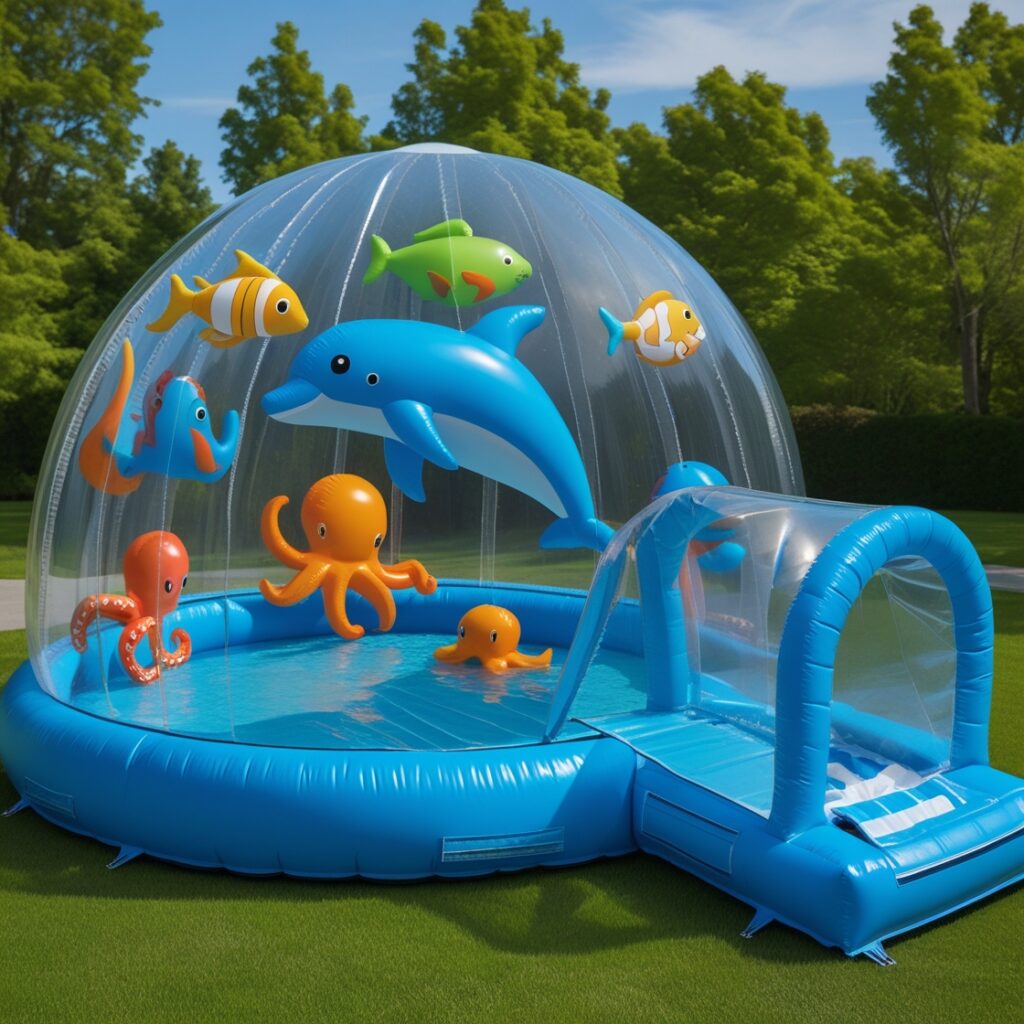
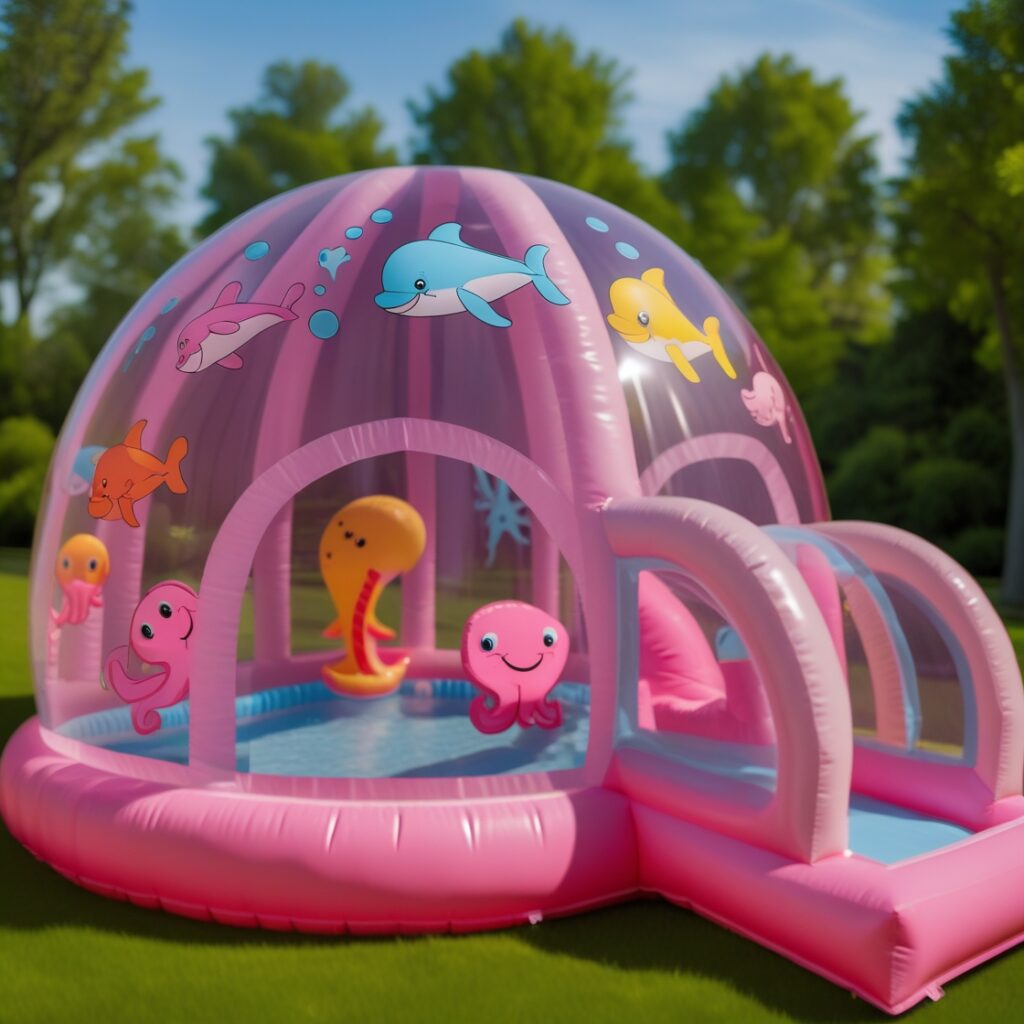
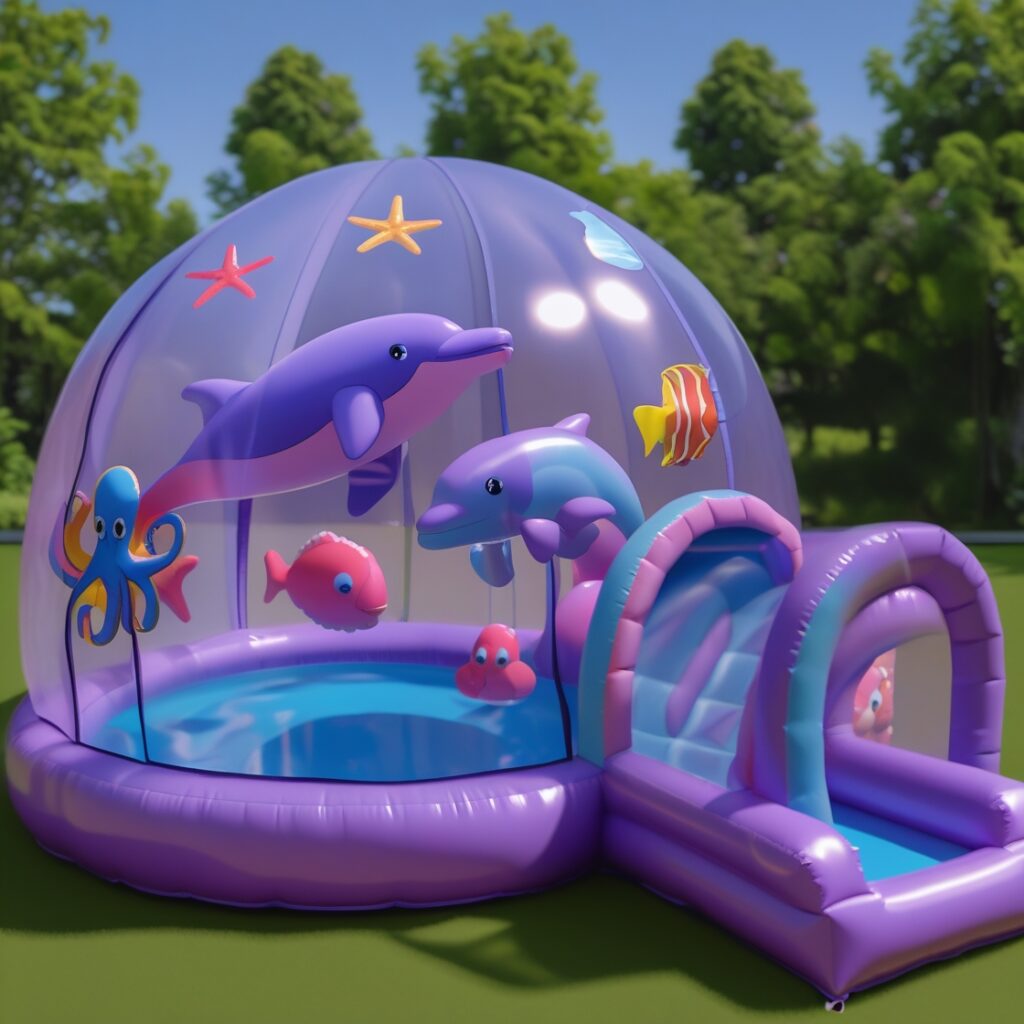
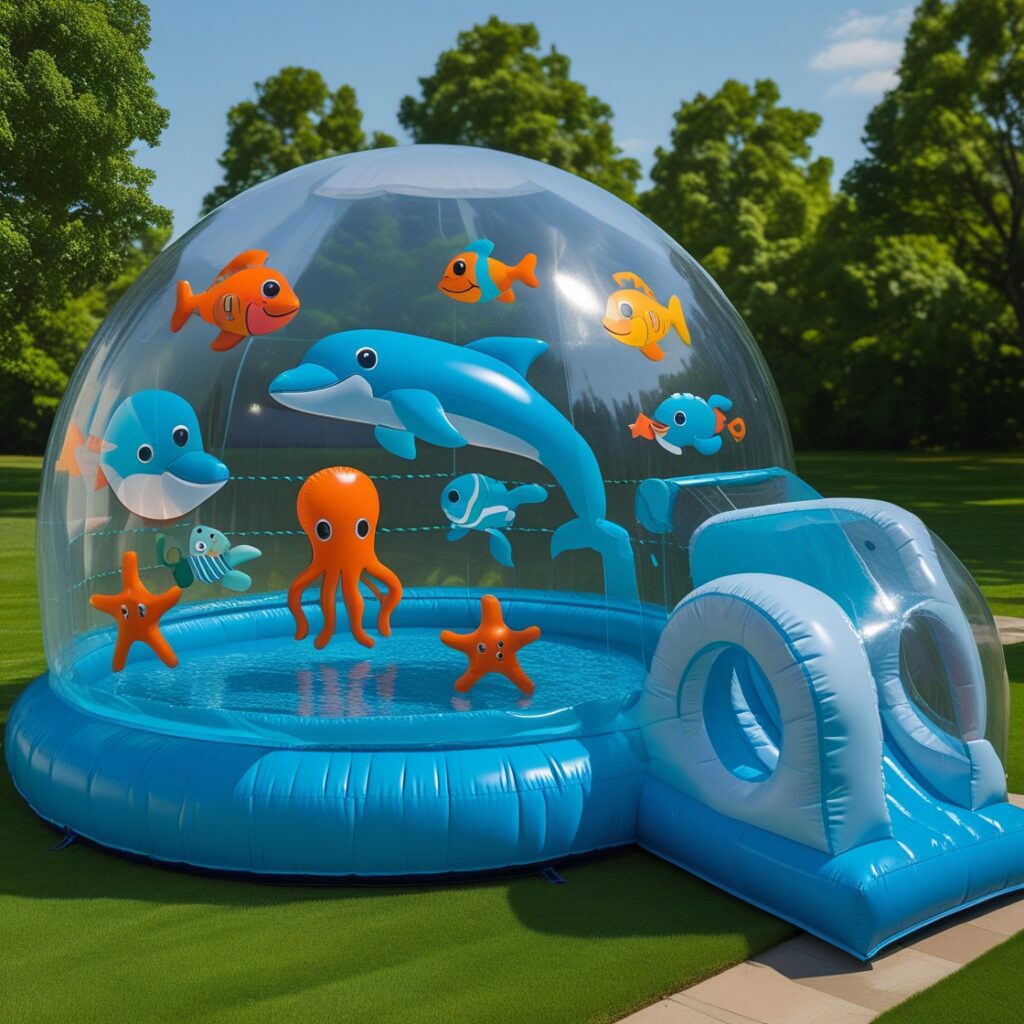
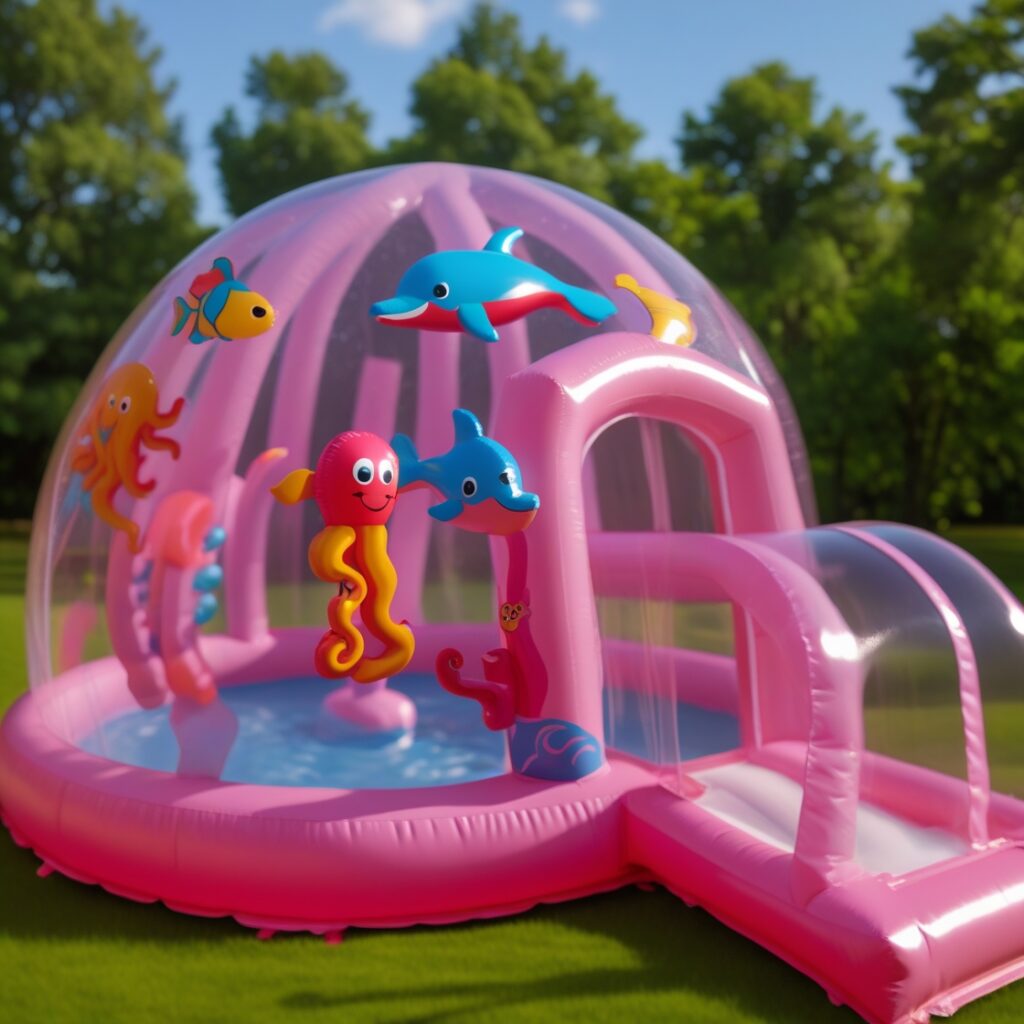
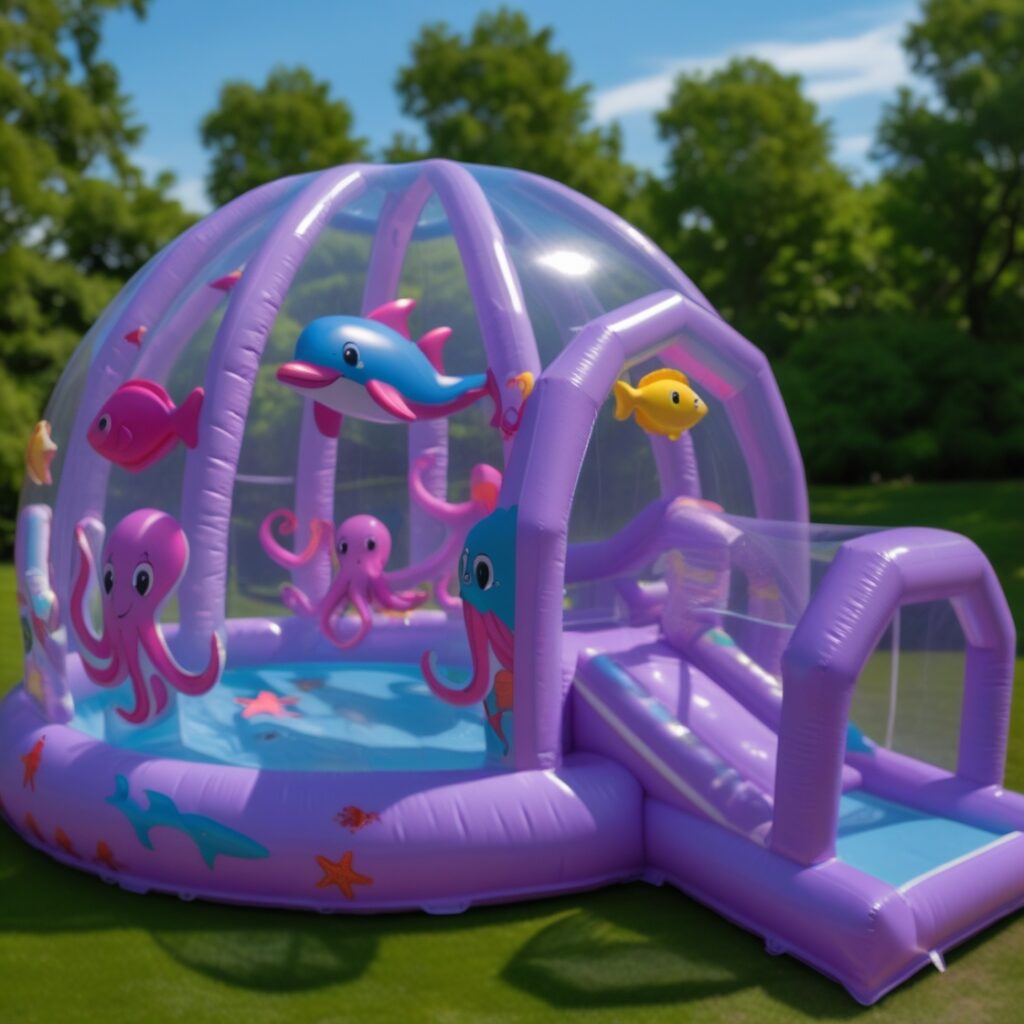
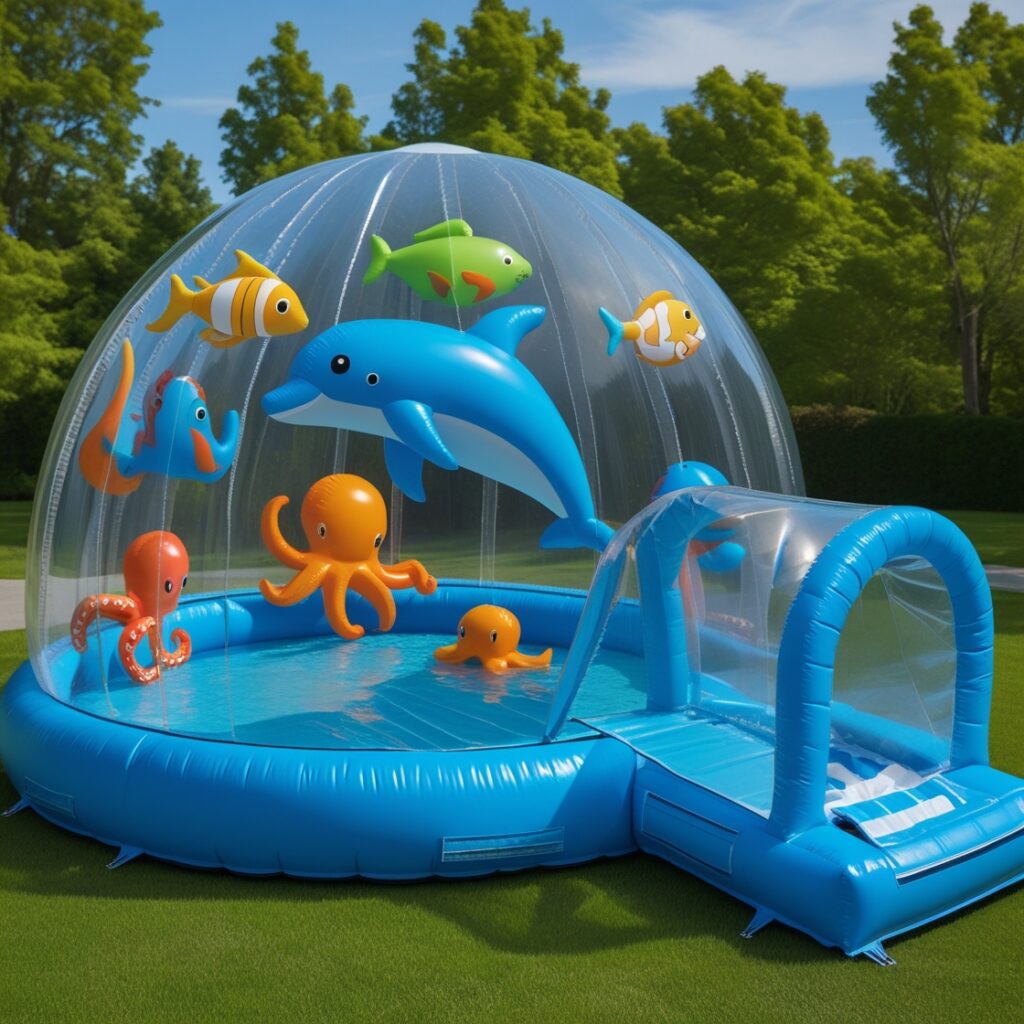
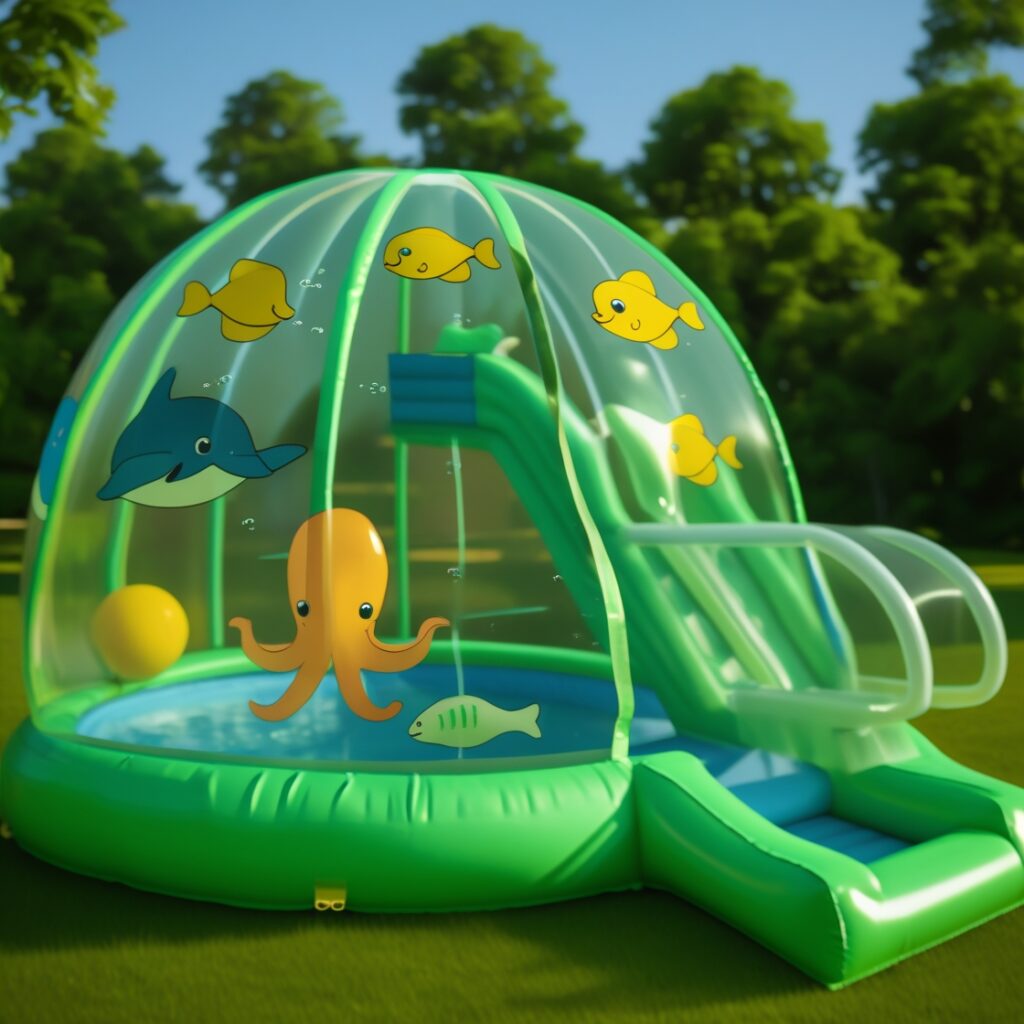
An inflatable pool dome is a temporary or semi-permanent structure made from heavy-duty vinyl or PVC materials. It is supported by air pressure and anchored to the ground around your pool. These domes can be quickly inflated and deflated as needed.
Benefits of Inflatable Domes
- Quick to install and remove
- Cost-effective compared to permanent enclosures
- Portable and easy to store
- Customizable sizes and shapes
Common Uses
Inflatable domes are often used in residential backyards, schools, or sports facilities to provide seasonal or temporary pool coverage. They’re ideal for users who seek flexibility and minimal construction.
What Are Traditional Pool Enclosures?
Definition and Types
Traditional pool enclosures are permanent or semi-permanent structures made from glass, polycarbonate, or screen materials, supported by aluminum or steel frames. They come in several forms:
- Screen enclosures
- Glass or polycarbonate structures
- Retractable roof enclosures
Benefits of Traditional Enclosures
- Permanent protection against debris and weather
- Adds value to property
- Enhances aesthetics
- Offers long-term durability
Common Uses
These enclosures are typically found in luxury residential pools, resorts, or commercial pool facilities. They are perfect for those seeking long-term investment and continuous use.
Cost Comparison: Inflatable Pool Dome vs. Traditional Enclosures
Initial Investment
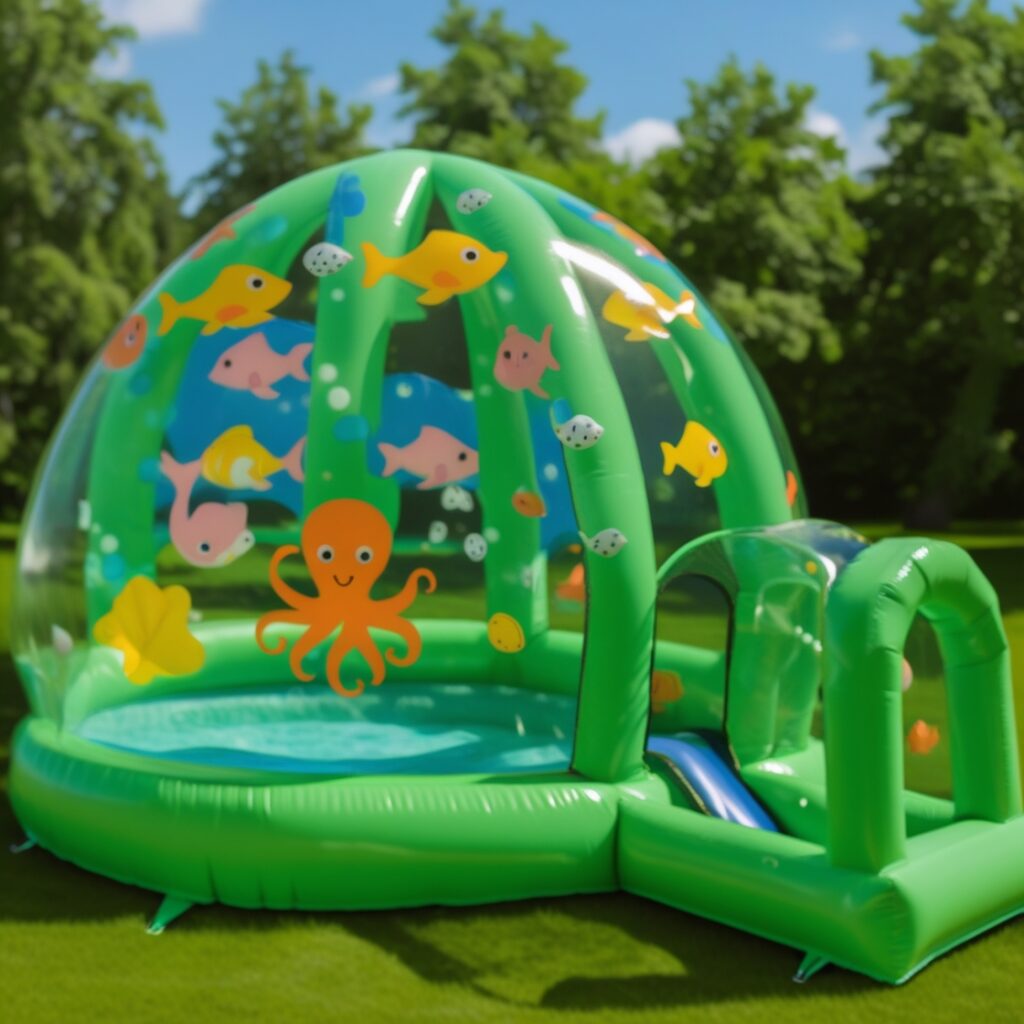
An inflatable pool dome is significantly cheaper, with prices ranging from $1,000 to $7,000 depending on size and material. In contrast, traditional enclosures can cost $10,000 to over $50,000.
Maintenance Costs
Inflatable domes require occasional repairs or replacements for punctures and air systems, but overall maintenance is minimal. Traditional enclosures, while more durable, may need frame repainting, panel replacement, or sealing over time.
Value Over Time
While traditional enclosures offer better long-term investment and property value increase, inflatable domes are more suitable for short-term use or budget-conscious homeowners.
Installation and Flexibility
Installation Time
Inflatable pool domes can be installed within a few hours by a small team or even DIY methods. Traditional enclosures, on the other hand, require weeks of planning, permits, and professional installation.
Portability
The inflatable dome’s ability to be removed or stored during off-seasons provides unmatched flexibility. Traditional enclosures are permanent and not easily modified once installed.
Seasonal Use
Inflatable domes are excellent for seasonal protection, while traditional enclosures are ideal for year-round use.
Durability and Weather Resistance
Resistance to Elements
Traditional enclosures are built to withstand harsh weather, including snow, wind, and heavy rain. High-quality materials ensure they remain intact for decades.
Inflatable domes are also weather-resistant but less capable in extreme conditions. Strong winds can pose risks unless securely anchored and well-maintained.
Longevity
A well-maintained traditional enclosure can last 20 years or more. Inflatable domes generally last 5 to 10 years, depending on usage and care.
Repair and Replacement
Inflatable domes are easier and cheaper to repair or replace. Traditional enclosures require more complex repairs but tend to need them less frequently.
Aesthetics and Customization
Visual Appeal
Traditional enclosures are often considered more attractive due to their sleek designs and permanent structure. They can enhance the overall look of a property.
Inflatable domes, while functional, may not match everyone’s aesthetic preference. However, modern designs are improving their visual appeal.
Customization Options
Both options offer customization, but traditional enclosures have a broader range of materials, colors, and structural designs. Inflatable domes can be tailored in size and shape but with fewer stylistic options.
Impact on Landscaping
Traditional enclosures may require landscaping modifications, while inflatable domes typically have minimal impact.
Energy Efficiency and Pool Temperature Control
Insulation and Heating
Inflatable pool domes help retain heat by trapping warm air, reducing heating costs during colder months. Some models come with insulated layers for better efficiency.
Traditional enclosures provide superior insulation and can support HVAC systems for complete climate control, offering a more consistent swimming environment.
Energy Savings
Both structures help reduce debris and water evaporation, leading to lower energy and maintenance costs. Traditional enclosures offer higher long-term savings due to their superior insulation and sealing.
Environmental Impact
Inflatable domes have a lower carbon footprint in terms of materials and construction. Traditional enclosures, though more resource-intensive initially, contribute to sustainable energy usage over time.
Conclusion: Which One Should You Choose?
The choice between an inflatable pool dome and a traditional enclosure depends on your specific needs, budget, and preferences:
- Choose an inflatable pool dome if you need a cost-effective, flexible, and seasonal solution.
- Opt for a traditional enclosure if you seek long-term durability, aesthetic appeal, and permanent protection.