
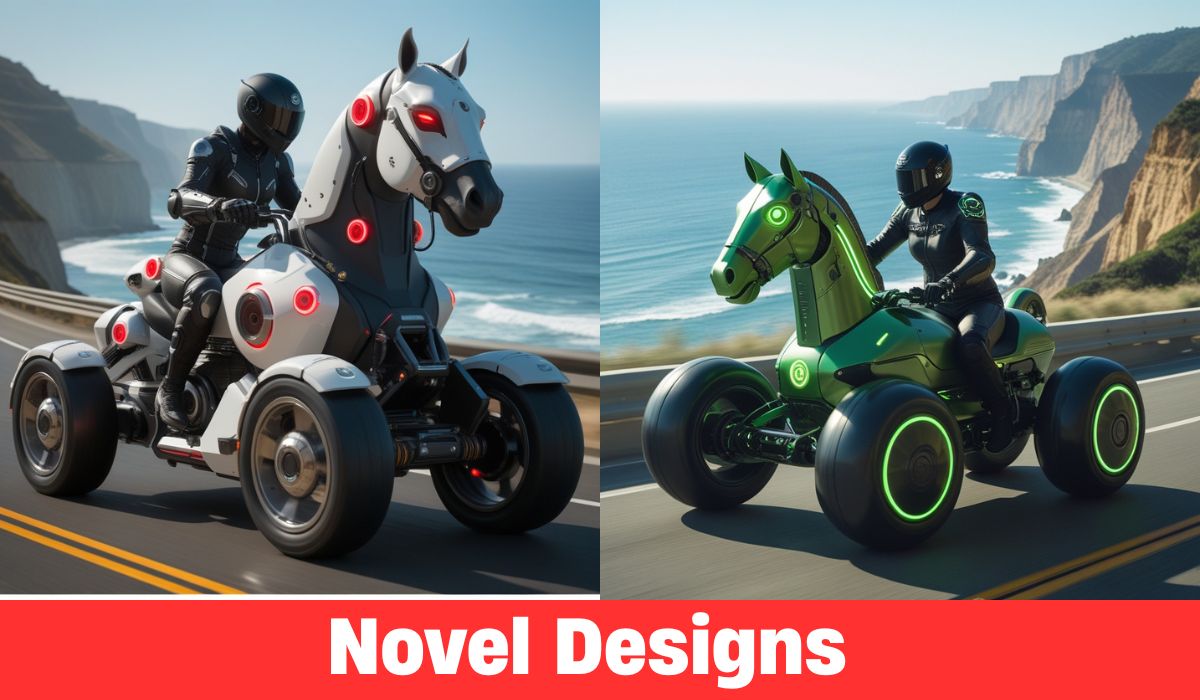
The world of transportation is evolving at a rapid pace, and the Futuristic motorcycle is at the forefront of this transformation. As we move into 2026, motorcycles are no longer just about speed and style—they are becoming smarter, more sustainable, and deeply integrated with advanced technology. From AI-powered riding systems to electric propulsion and cutting-edge materials, futuristic motorcycles are redefining what it means to ride.
In this article, we explore the top trends shaping the future of motorcycles and why these innovations matter for riders, manufacturers, and the environment.
The Rise of Futuristic Motorcycle Design
The design of a Futuristic motorcycle in 2026 goes far beyond aesthetics. It represents a blend of engineering excellence, aerodynamic efficiency, and user-centered innovation.
Aerodynamics Meets Style
Modern futuristic motorcycles are designed with sleek, flowing lines that reduce drag and improve performance. Engineers are using wind tunnel testing and computational fluid dynamics to create bikes that cut through the air effortlessly. The result is not only faster speeds but also improved energy efficiency—especially important for electric motorcycles.
Lightweight Materials and Durability
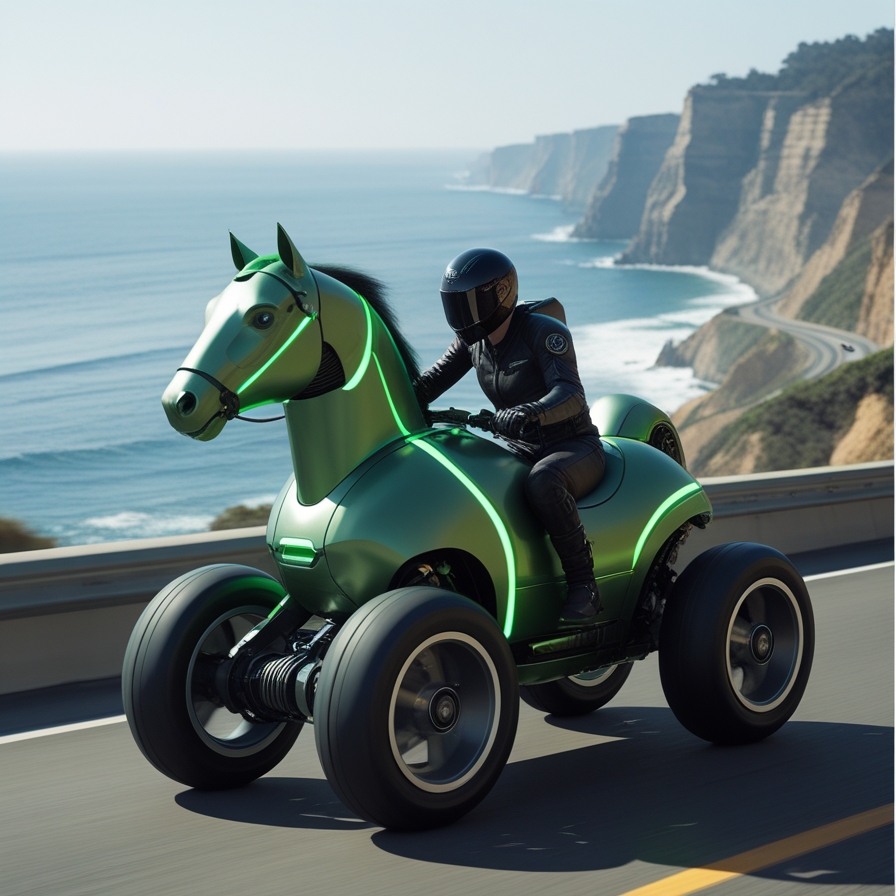
Manufacturers are increasingly turning to advanced materials such as carbon fiber, titanium alloys, and graphene composites. These materials offer exceptional strength while reducing overall weight, allowing for better acceleration, handling, and fuel efficiency.
Electric Power Revolution in Futuristic Motorcycles
One of the biggest shifts in the Futuristic motorcycle industry is the move toward electric power.
Zero Emissions and Sustainability
Electric motorcycles produce zero emissions, making them a key solution in reducing urban pollution. Governments worldwide are encouraging this transition through incentives and stricter environmental regulations.
High-Performance Electric Motors
Modern electric motorcycles are no longer slow or limited. With instant torque and powerful battery systems, they can outperform traditional internal combustion bikes in acceleration. Some models can reach 0–100 km/h in under 3 seconds, rivaling high-end sports bikes.

Smart Technology Integration
Technology is the defining feature of any Futuristic motorcycle in 2026. These bikes are becoming intelligent machines that enhance safety and convenience.
AI-Assisted Riding Systems
Artificial intelligence is being integrated into motorcycles to assist riders in real time. These systems can analyze road conditions, predict potential hazards, and adjust performance accordingly. Features like adaptive cruise control and collision avoidance are becoming standard.
Connectivity and IoT Features
Futuristic motorcycles are now connected devices. Riders can sync their bikes with smartphones, access navigation, monitor performance, and even receive maintenance alerts. Some models include voice control and heads-up displays (HUDs) for a safer, hands-free experience.
Autonomous and Self-Balancing Motorcycles
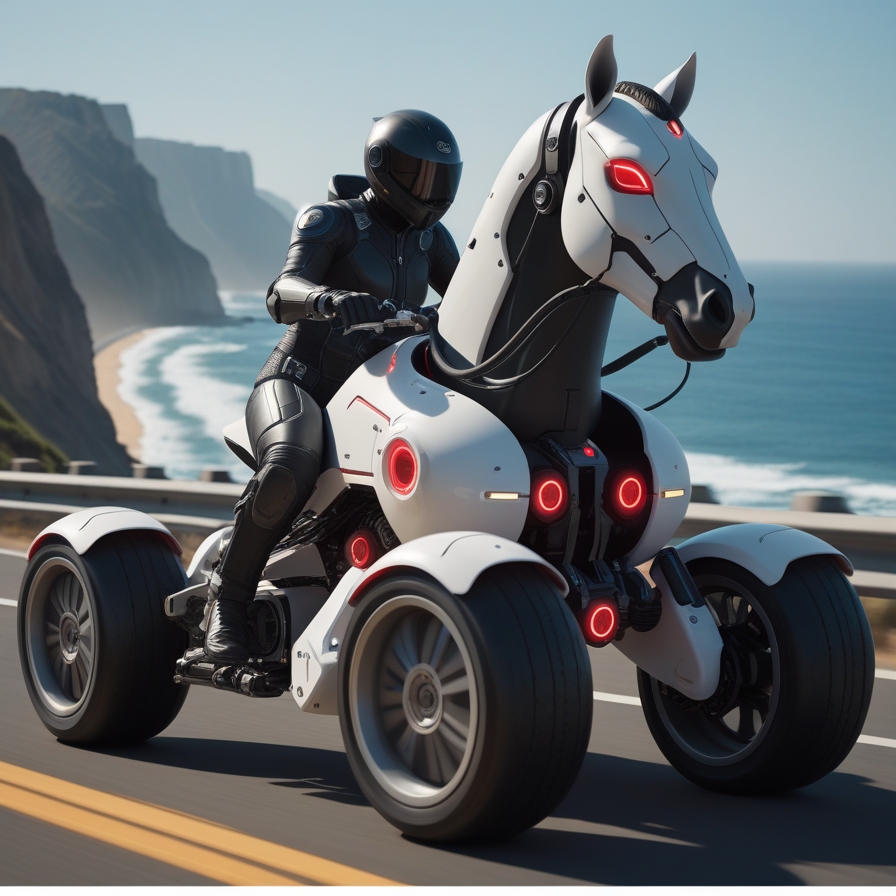
The concept of autonomous riding is no longer science fiction. The Futuristic motorcycle is evolving to include self-balancing and semi-autonomous capabilities.
Self-Balancing Technology
Self-balancing motorcycles use gyroscopes and advanced sensors to maintain stability, even at low speeds or when stationary. This makes riding easier for beginners and reduces the risk of accidents.
Semi-Autonomous Riding Modes
Some futuristic motorcycles offer semi-autonomous modes where the bike can assist with steering, braking, and acceleration. This is especially useful in heavy traffic or long-distance travel, reducing rider fatigue.
Enhanced Safety Features
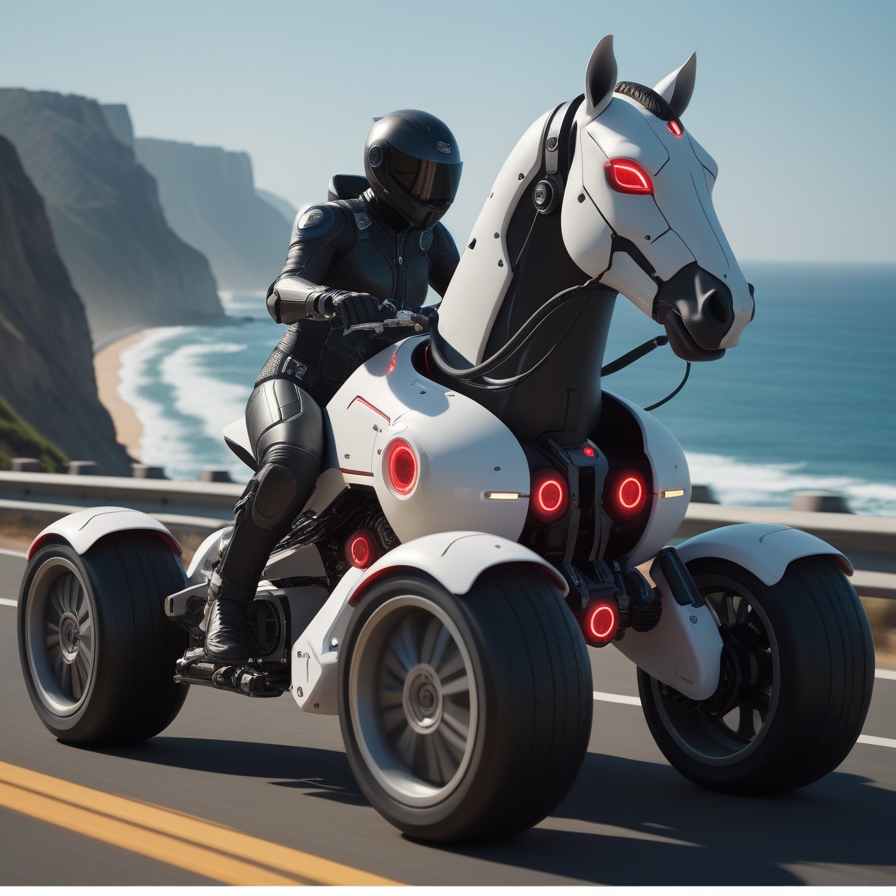
Safety is a top priority in the development of the Futuristic motorcycle.
Advanced Rider Assistance Systems (ARAS)
These systems include lane departure warnings, blind-spot detection, and automatic emergency braking. By using radar, cameras, and sensors, motorcycles can now detect obstacles and react faster than human reflexes.
Smart Helmets and Wearables
Riders are also benefiting from smart gear. Helmets with augmented reality displays, built-in communication systems, and real-time navigation are becoming increasingly popular. Wearable technology can monitor vital signs and alert emergency services in case of an accident.
Customization and Personalization
In 2026, the Futuristic motorcycle is not just a vehicle—it’s a personalized experience.
Modular Design

Many futuristic motorcycles feature modular components that allow riders to customize their bikes easily. From battery packs to body panels, users can upgrade or modify their motorcycles based on their preferences.
Software Customization
Just like smartphones, motorcycles now come with customizable software. Riders can adjust performance settings, riding modes, and even interface themes to suit their style and needs.
The Role of Artificial Intelligence in Performance Optimization
Artificial intelligence is playing a crucial role in optimizing the performance of the Futuristic motorcycle.
Predictive Maintenance
AI systems can monitor the condition of various components and predict when maintenance is needed. This reduces downtime and prevents unexpected breakdowns.

Adaptive Riding Experience
The motorcycle can learn from the rider’s behavior and adjust settings accordingly. Whether it’s throttle response, suspension, or braking sensitivity, the bike adapts to provide a smoother and safer ride.
Futuristic Motorcycle Trends in Urban Mobility
Urban environments are driving innovation in the Futuristic motorcycle market.
Compact and Foldable Designs
With increasing traffic congestion, compact motorcycles are becoming more popular. Some futuristic models even feature foldable designs for easy storage and portability.
Integration with Smart Cities
Futuristic motorcycles are being designed to integrate with smart city infrastructure. They can communicate with traffic systems, find optimal routes, and even locate available parking spaces automatically.
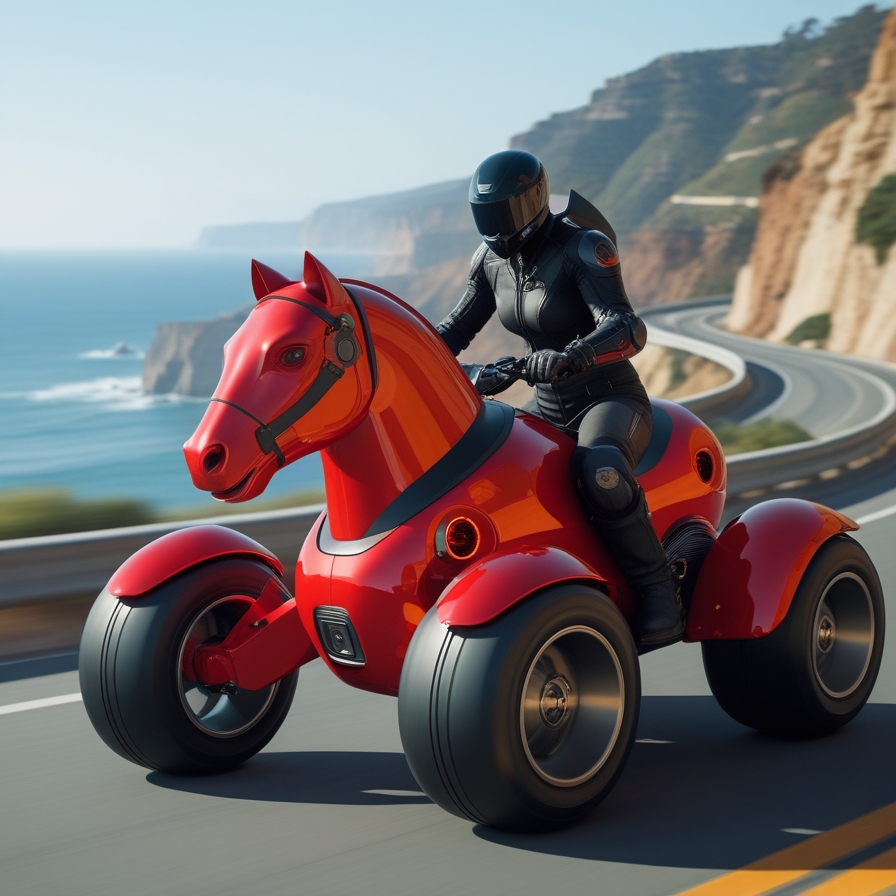
Challenges Facing Futuristic Motorcycles
Despite the exciting advancements, the Futuristic motorcycle industry faces several challenges.
Battery Limitations
While battery technology is improving, range and charging time remain concerns for many riders. Fast-charging solutions and better energy storage systems are needed to overcome these limitations.
High Costs
Advanced technology comes at a price. Futuristic motorcycles are often more expensive than traditional models, which can limit their accessibility to a wider audience.
The Future Outlook of Futuristic Motorcycles
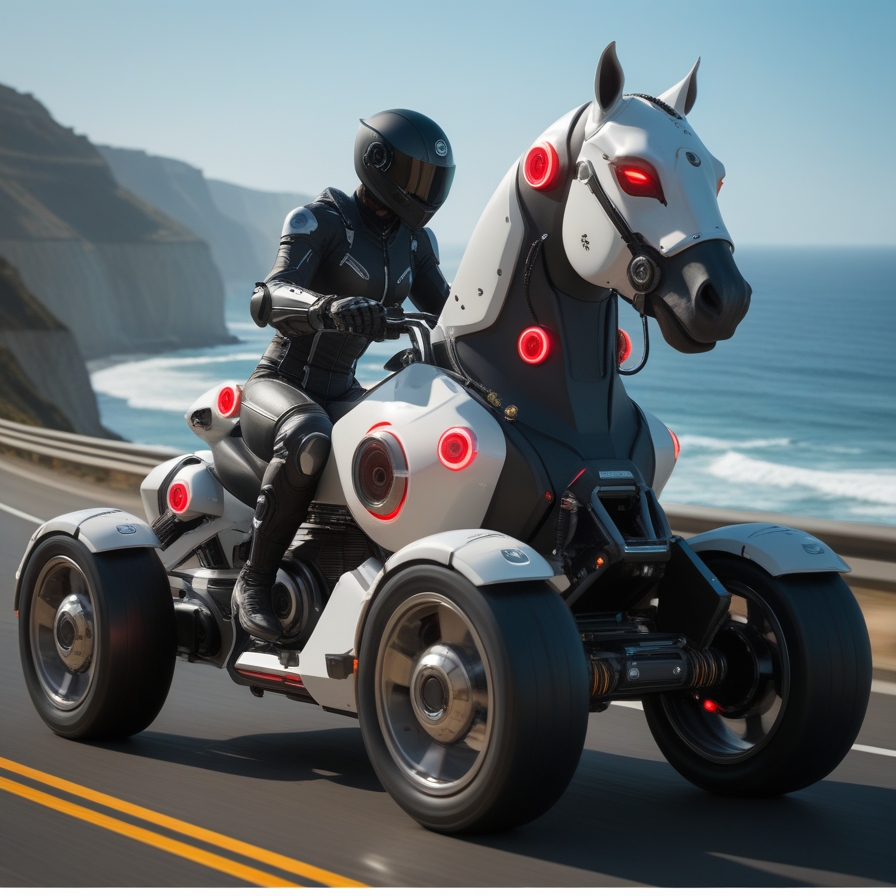
Looking ahead, the Futuristic motorcycle will continue to evolve as technology advances.
Integration with Renewable Energy
Future motorcycles may integrate with renewable energy sources such as solar charging systems, making them even more sustainable.
Fully Autonomous Riding
While still in development, fully autonomous motorcycles could become a reality in the coming years. These bikes would be capable of navigating roads without human intervention, revolutionizing transportation.
Conclusion
The Futuristic motorcycle is more than just a trend—it represents the future of mobility. With innovations in electric power, smart technology, and safety, motorcycles in 2026 are smarter, faster, and more efficient than ever before.
As technology continues to advance, we can expect even more groundbreaking developments that will redefine the riding experience. Whether you’re a motorcycle enthusiast or a tech lover, the future of motorcycles promises an exciting journey ahead