

In today’s fast-paced world, convenience, sustainability, and health are becoming top priorities for homeowners. Enter kitchen islands with built-in hydroponic gardens—a groundbreaking innovation that brings fresh herbs and vegetables right into the heart of your home. These modern marvels combine sleek design, smart technology, and eco-friendly gardening methods to elevate your cooking and lifestyle.
Let’s explore how this futuristic kitchen feature works, why it’s gaining popularity, and how you can benefit from having one in your home.
The Rise of Kitchen Islands with Built-in Hydroponic Gardens
Kitchen design has evolved far beyond just aesthetics. Functionality and sustainability now go hand in hand.
From Storage to Sustainability
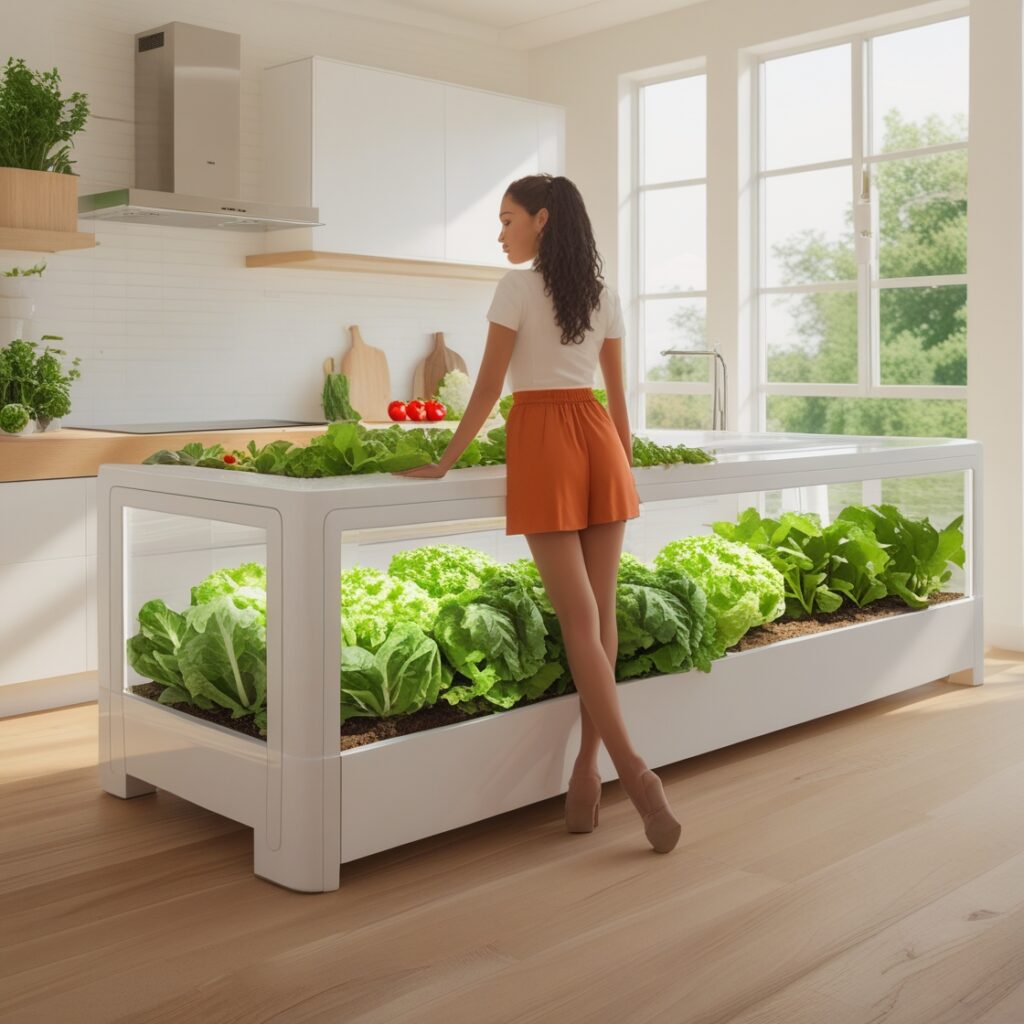
Traditionally, kitchen islands were used for additional storage, seating, or prep space. But now, with built-in hydroponic gardens, they’ve become self-sufficient food-growing stations—perfect for urban dwellers or anyone interested in farm-to-table living.
Why Hydroponics?
Hydroponics is a soil-free method of growing plants using water enriched with nutrients. This efficient system allows plants to grow faster, use less water, and take up minimal space, making it ideal for indoor gardening.
Smart Kitchens of the Future
With smart sensors, automated lighting, and mobile app controls, kitchen islands with built-in hydroponic gardens are a natural evolution in smart home technology. You can monitor plant growth, nutrient levels, and watering schedules—all from your smartphone.
Benefits of Having a Built-in Hydroponic Garden in Your Kitchen Island
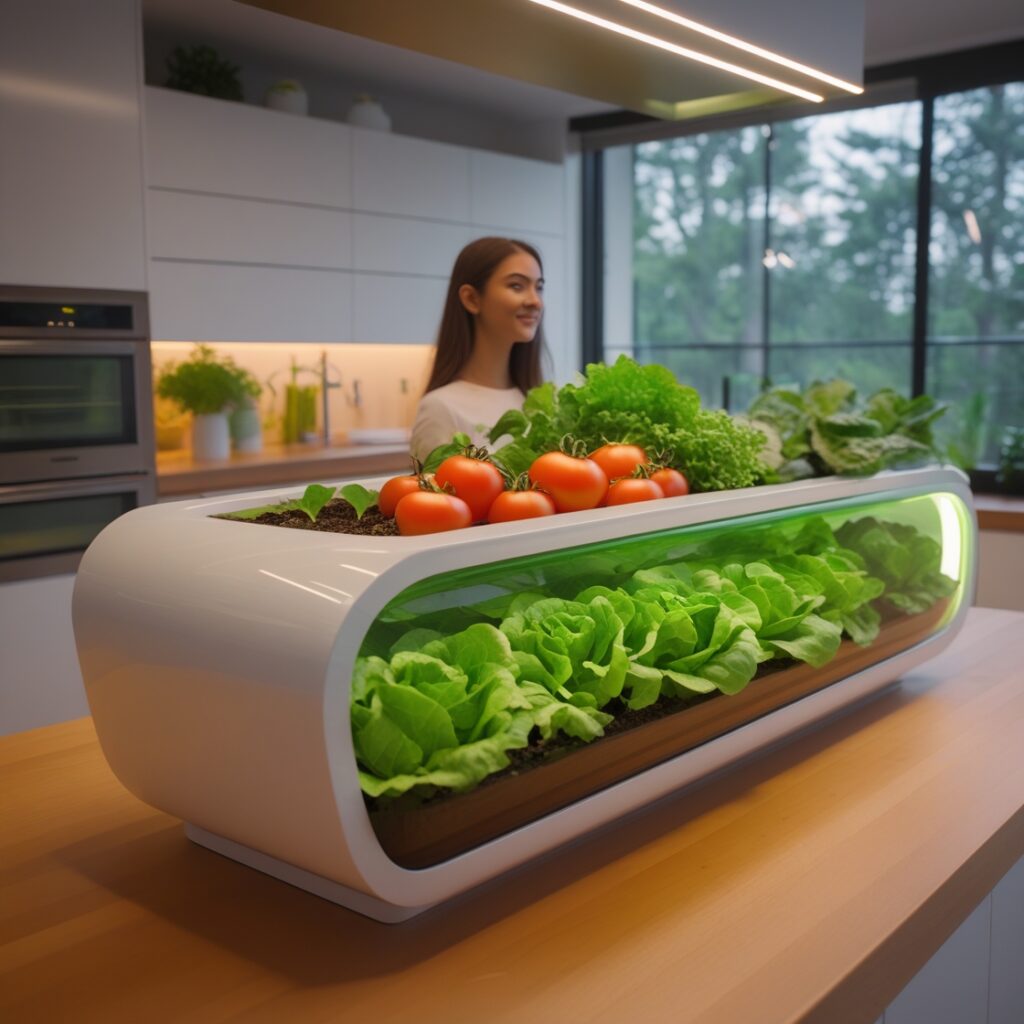
Beyond the “wow” factor, this feature offers numerous practical and health benefits.
1. Always Have Fresh Ingredients On Hand
Forget last-minute grocery runs. Whether you’re preparing a salad, smoothie, or soup, your hydroponic kitchen island offers fresh herbs, leafy greens, and even small vegetables right at your fingertips.
2. Pesticide-Free and Organic
Grow your produce without harmful chemicals. Hydroponic systems allow complete control over what goes into your plants, ensuring you and your family eat clean, organic food.
3. A Sustainable Choice
Hydroponic systems use up to 90% less water than traditional farming and eliminate food transportation emissions. It’s a step toward reducing your carbon footprint.
4. Educational for Kids and Adults
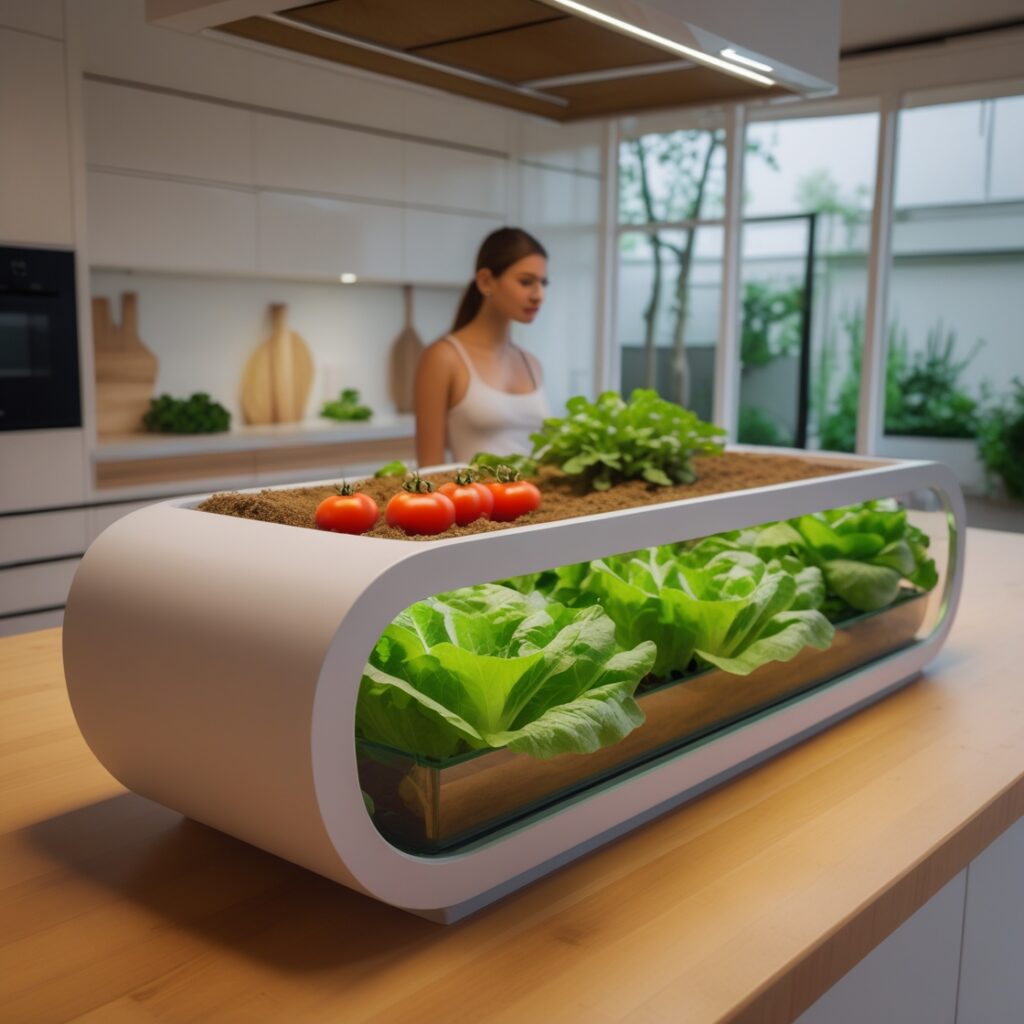
Watching plants grow indoors is a fun and educational experience for children and a calming, mindful activity for adults. It brings nature indoors and fosters responsibility and curiosity.
5. Increases Property Value
Smart and sustainable kitchen features are attractive to modern homebuyers. Installing a kitchen island with a built-in hydroponic garden could boost your home’s market appeal and value.
How Kitchen Islands with Built-in Hydroponic Gardens Work
You don’t need a green thumb to operate one of these intelligent systems. Here’s a breakdown of the main components.
The Hydroponic Setup

Most systems are built with a reservoir for water and nutrients, a growing tray, and a pump to circulate the solution. Plants are supported in net cups or foam inserts, allowing roots to dangle into the nutrient-rich water.
Integrated Lighting System
Built-in LED grow lights mimic natural sunlight, giving your plants the full spectrum of light they need to thrive indoors—even in kitchens with little to no natural light.
Smart Controls and Automation
Many modern kitchen islands include IoT (Internet of Things) technology that automates lighting cycles, monitors water levels, and sends you alerts via mobile apps when your plants need attention.
Best Plants to Grow in a Kitchen Island Hydroponic Garden
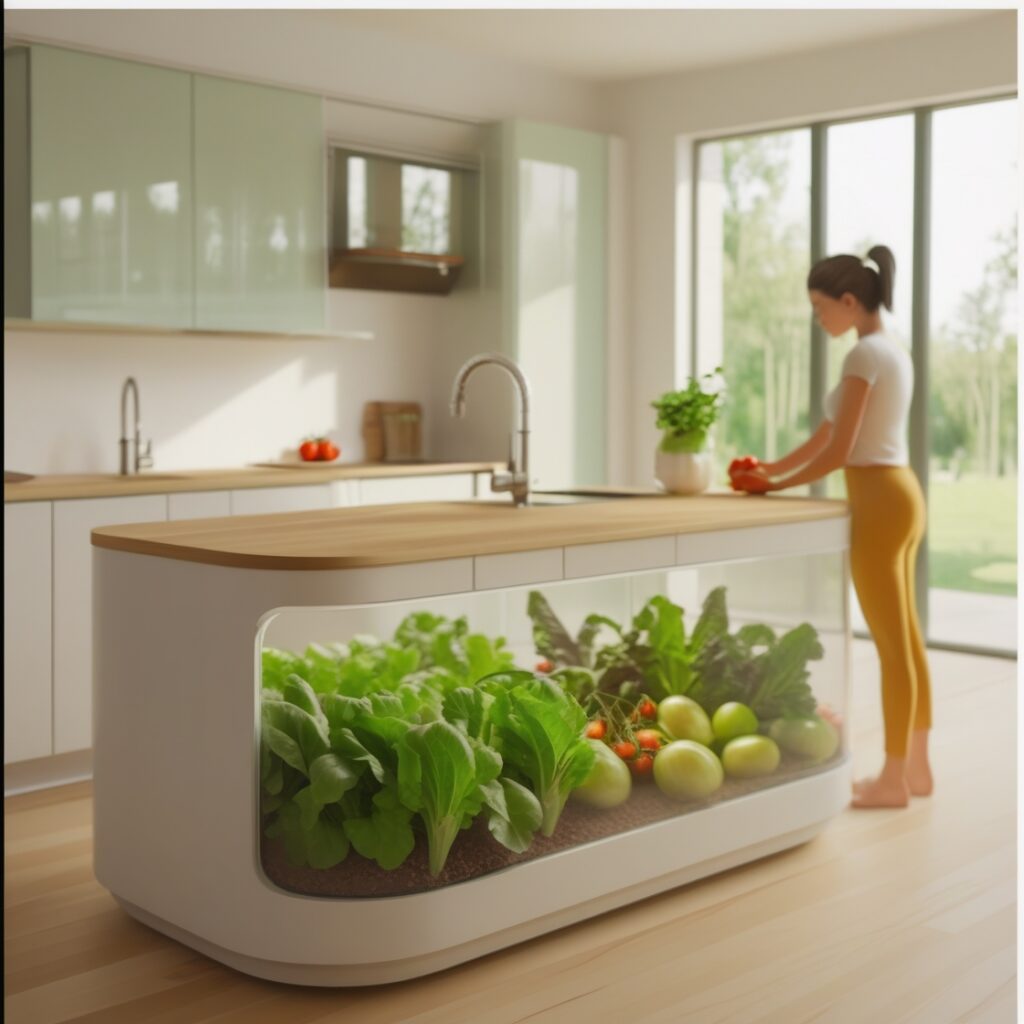
While hydroponics is incredibly versatile, some plants are especially well-suited for kitchen island systems.
Leafy Greens
Lettuce, spinach, kale, and arugula grow quickly and thrive in hydroponic setups. They require little maintenance and can be harvested weekly for fresh salads and smoothies.
Culinary Herbs
Basil, cilantro, parsley, mint, thyme, and oregano not only add flavor to your meals but also grow compactly—making them ideal for indoor gardening.
Microgreens
Tiny but packed with nutrients, microgreens such as radish, broccoli, and sunflower are perfect for hydroponic gardens and ready to harvest in under two weeks.

Cherry Tomatoes and Peppers
Compact vegetable varieties like cherry tomatoes and small peppers can be grown hydroponically with adequate light and space, adding color and nutrition to your meals.
Strawberries
Yes, even strawberries! With the right conditions, strawberries can be grown indoors, offering sweet snacks just an arm’s length away from your kitchen prep area.
Tips for Choosing or Designing Your Kitchen Island with a Hydroponic Garden
Whether you’re renovating your kitchen or building a new one, consider these factors for optimal functionality and style.
Space and Layout Considerations
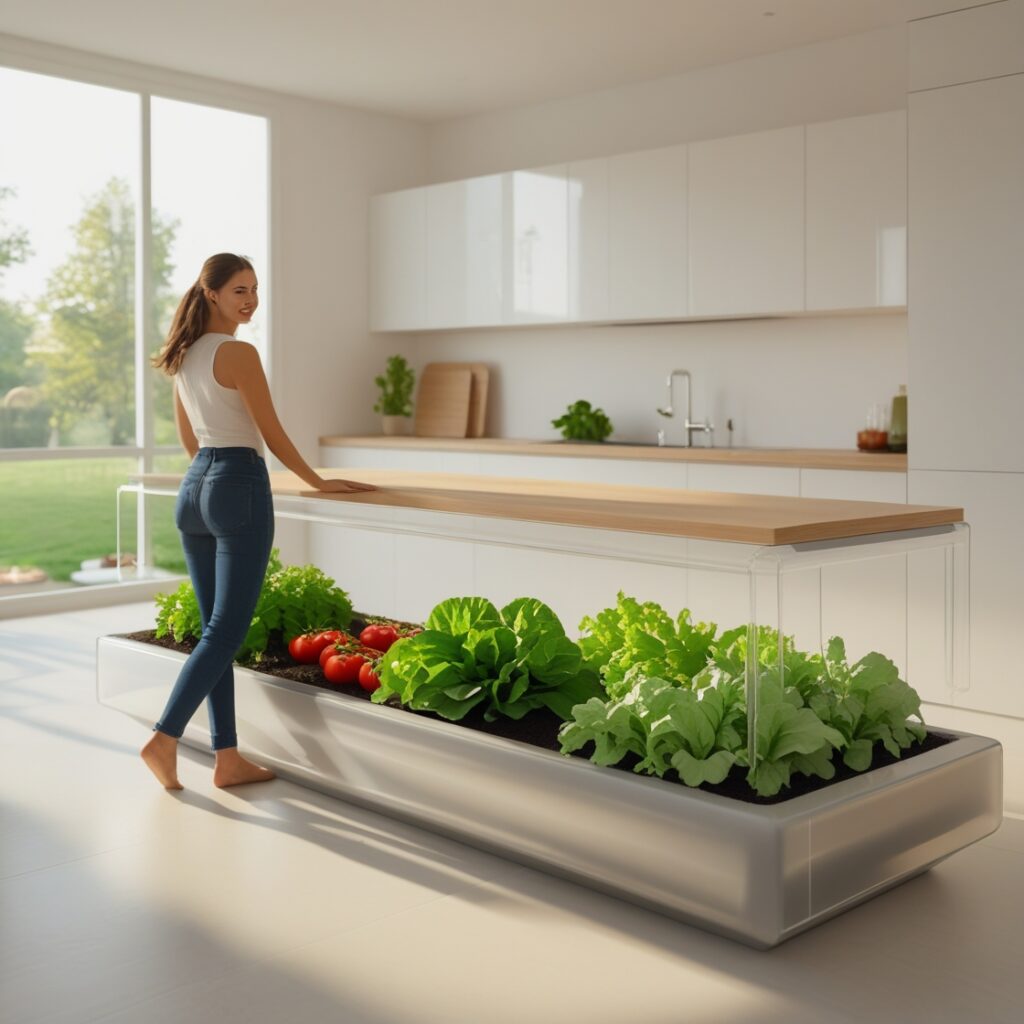
Make sure your kitchen island has enough depth and surface area to accommodate the hydroponic unit, storage, and other functionalities like seating or cooktops.
Ventilation and Lighting
Even though grow lights are built-in, ventilation is important to prevent excess humidity. Ensure your kitchen is well-ventilated or includes exhaust fans nearby.
Material and Finish
Choose water-resistant materials such as stainless steel, quartz, or treated wood to prevent damage from spills and moisture. Opt for modern finishes that blend with your kitchen décor.
Integrated Storage Solutions
Look for designs that offer drawers or cabinets to store gardening tools, seeds, extra nutrients, and maintenance supplies for your hydroponic system.
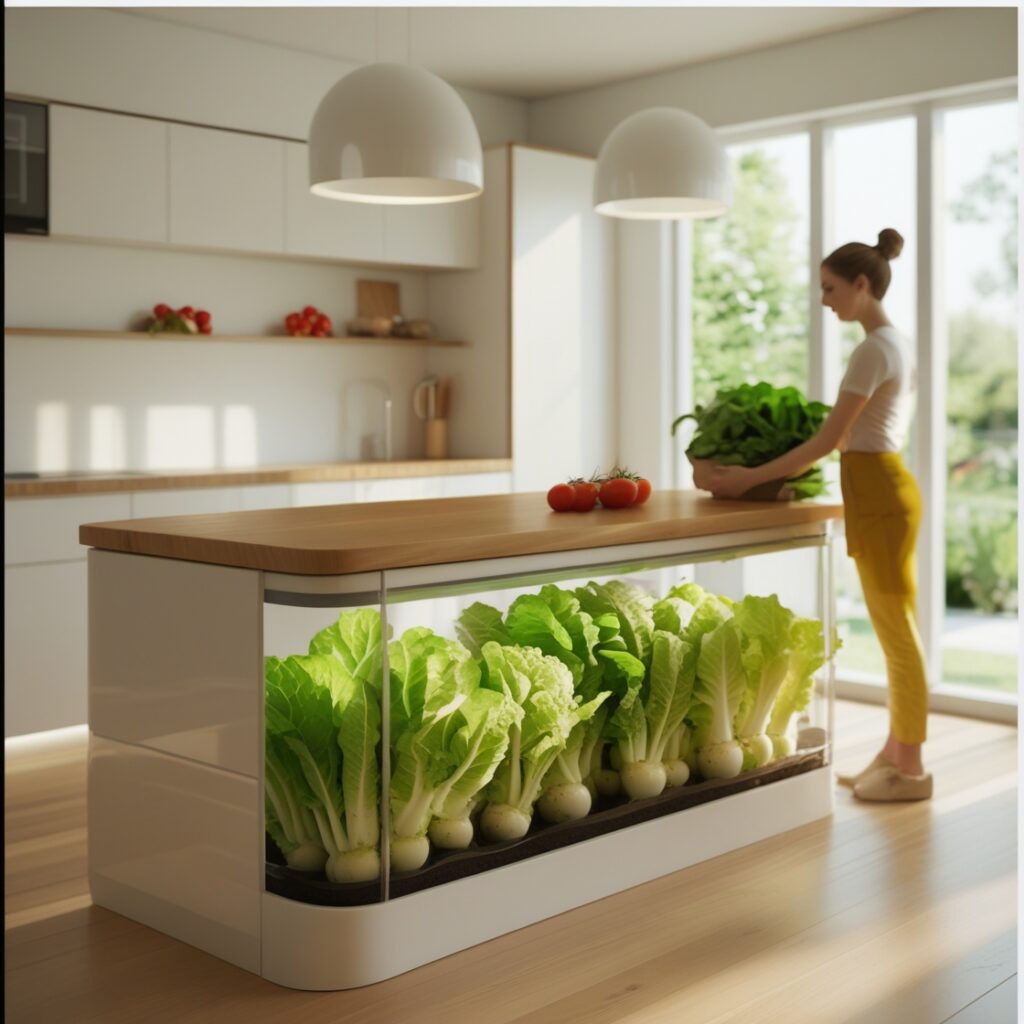
Custom vs. Modular Systems
Some brands offer modular, plug-and-play hydroponic islands, while others provide custom solutions tailored to your kitchen’s size and style. Weigh your budget and design flexibility before choosing.
Popular Brands Offering Kitchen Islands with Built-in Hydroponic Gardens
Several forward-thinking companies are entering this innovative market. Here are a few to consider.
1. Verdical
Verdical specializes in stylish, sustainable kitchen islands featuring smart hydroponic modules. Their products blend minimalism with advanced plant technology.
2. Natufia Kitchen Garden
This luxury brand integrates hydroponic towers into cabinetry or islands, offering app-controlled lighting and watering systems suitable for gourmet kitchens.

3. Rise Gardens
While more focused on standalone systems, Rise Gardens’ sleek modular gardens can be adapted into kitchen islands by innovative interior designers.
4. Urban Cultivator
Designed for residential and commercial kitchens, Urban Cultivator’s units are professional-grade and offer full climate control for year-round growing.
5. Edn SmallGarden
Compact and stylish, the Edn SmallGarden is an entry-level system that can be incorporated into smaller islands or prep counters.
Final Thoughts: Bringing Nature Back to the Kitchen
Kitchen islands with built-in hydroponic gardens are more than just a trend—they represent a shift in how we think about food, health, and design. As homes become smarter and more self-sufficient, integrating green technology into your daily routine is both practical and empowering.